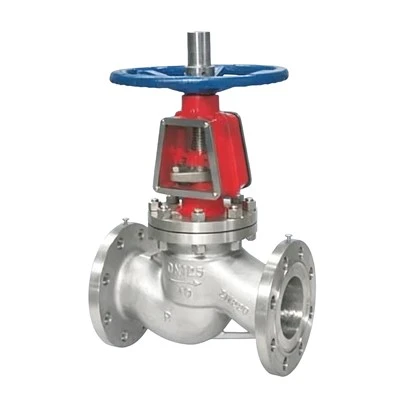
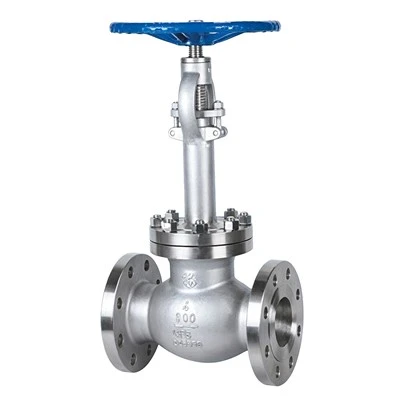
Cryogenic gate valves are usually designed with ``extended bonnet '', primarily to mitigate the effects of cryogenic media on valve stem packing, sealing components and operating mechanism. When treating cryogenic fluids such as liquefied natural gas, liquid nitrogen or liquid oxygen,the internal temperature of the valve body can be much lower than the ambient temperature, which can cause metal to contract and alter sealing performance. The elongated bonnet creates a physical gap between the valve body and the packing area, providing space for heat exchange; this reduces the exposure of the packing area to extreme cold temperatures and improves the reliability of the valve.
1.Reduce the impact of cryogenic media on packing area
The lower part of the valve valve body, gate and stem cools rapidly as the cryogenic medium flows through the valve. If the stuffing box is too close to the cryogenic zone, the air will travel up the stem, causing the temperature in the packing area to drop significantly.
The extended bonnet increases the distance between the valve body and the stuffing box, limiting the direct transfer of cold to the packing area.
This helps maintain the packing material in the optimum temperature range and reduces the risk of leaks due to performance degradation due to extreme cold.
2.Protective stem packing and sealing structure
Filling is a key part to prevent media leakage along the valve stem. At cryogenic environments, some sealing materials may harden, contract or lose elasticity, affecting the sealing effectiveness.
The elongated cover design helps regulate the working temperature of the packing area and minimizes the adverse effects of low temperature on packing performance.
For cryogenic gate valves manufacturers, it is important not only to determine the appropriate bonnet length, but also to select the appropriate packing materials and sealing structure according to the specific operating temperature to ensure reliable sealing performance over long run.
3.Reduce the risk of ice and ice formation around the stem
During operation of a cryogenic valves valve, the stem and its surrounding components may be affected by both cold conduction and ambient humidity, resulting in icing or freezing. If the effects of low temperature extend to the stuffing box and operation area, this may increase resistance to stem movement and even interfere with the normal opening and closing of the valve.
The extended bonnet reduces the transmission of low temperatures directly to the upper operating area, providing a relatively stable thermal environment for the valve stem and packing region, thus reducing associated operating risks.
It is important to note that the extended hood doesnot completely eliminate frost, and the actual effectiveness depends on environmental humidity, insulation design, the valve's operating conditions, etc.

4. Mitigate the effects of material contraction due to low temperatures
Different metal materials experience different degrees of thermal shrinkage at low temperatures. If the dimensions of the components of the valve do not coordinate, it will affect valve stem movement, the coordination between parts and sealing performance.
Extended bonnets help insulate certain areas from low temperatures and reduce temperature fluctuations experienced by the upper valve stem and packing assembly.
However, the design of the valve must also take into account factors such as the low temperature toughness of the material, thermal expansion coefficient, structural size and gaps between components; an elongated bonnet alone willnot solve all the problems associated with low temperature shrinkage.
5. Improving operational reliability of cryogenic service
Cryogenic gate valves are commonly used in LNG receiving stations, cryogenic storage tanks, natural gas liquefaction plants and industrial gas transportation systems. This kind of application usually has the strict requirement to valve sealing performance and the operating stability.
The extended bonnet improves the thermal condition of the packing area and minimizes the effect of low temperature on valve stem seal and operation components.
For cryogenic piping systems used for long-term operation, this design characteristic improves the applicability and operational reliability of valve.
6. How should the length of the extended hood be determined?
The longer the hood, the better. The size of the hood must be determined according to the valve's structure and actual conditions of use.
Key factors to consider when choosing include:
1. Operating temperature: The requirements for cryogenic protection are determined according to the minimum design temperature.
2. Type of medium: LNG (LNG), liquid nitrogen (LN), liquid oxygen (LO) and other media have obvious physical and process characteristics. Packing Material: Determine the temperature conditions required in the packing area according to the allowable working temperature of the packing material.
4. Installation Orientation: reasonable design of cover structure according to piping layout and valve mounting position.
V. Relevant Standards: Establish structural requirements in accordance with applicable cryogenic valves design and test standards.
As a supplier of cryogenic gate valves, the valve body material, stem design, packing performance, working temperature, etc. must be taken into account when designing products to provide elongated cover configurations that meet the the customer's specific operating conditions.
Frequently Asked Questions (FAQ)
Q1: Do all cryogenic gate valves require extended bonnets?
Not necessarily. The decision to use extended bonnet depends on working temperature, valve design, packing material and relevant design standards. However, the extended hood is a common design feature in many cryogenic applications.
Question 2: Which part of the valve is primarily protected by the extended bonnet?
It is mainly used to mitigate the effects of cryogenic temperatures on the upper stem, stuffing box and the packing sealing assembly to help them maintain proper working temperature.
Question 3: Can extended bonnets provide better cryogenic protection?
Not necessarily. The length of the bonnet shall be carefully designed in accordance with heat transfer, valve structure and installation requirements. Too long a hood may increase the overall height of the device and the space required for installation, but it doesn't necessarily provide better performance.
What other special design features do cryogenic gate valves require in addition to extended bonnets?
Typically, other considerations include the use of materials suitable for cryogenic service, specialized stem sealing structures, precise matching between gate and seat, cryogenic testing and necessary cold insulation measures,all to ensure that the valve meets the requirements of specific operating conditions.