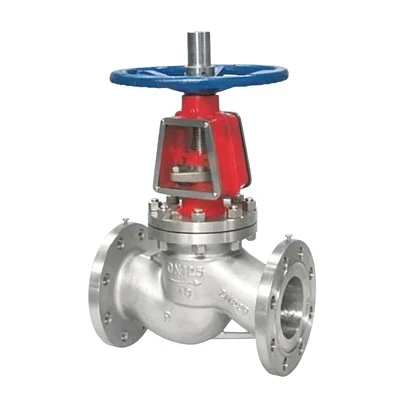
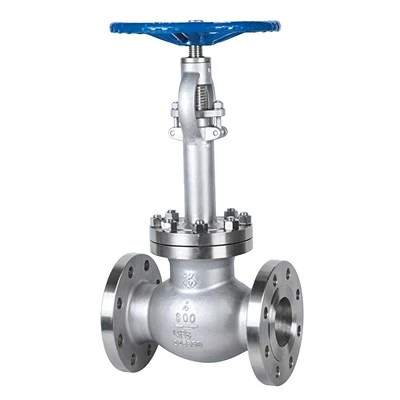
Bi-directional pressure-bearing rotary ball valves are mainly used for piping systems that require reliable shutoff and bi-directional sealing capability. Compared with standard ball valves, the installation process is critical not only to determine whether the valve is opened or closed correctly, but also to directly affect seat sealing, stem operation and long-term stability.
Key steps in installing these valves include valve inspection, pipeline cleaning, flange alignment, seal component protection, bolt tightening, and post-installation pressure testing. Operation must be strictly in accordance with the valve's specific design and the requirements of the manufacturer.

1.Valve type and specification to be confirmed prior to installation
Before installing, make sure the valve's specifications and technical parameters match the piping system.
Particular attention should be paid to the following points:
Nominal diameter to match pipe;
Nominal pressure meets system requirements;
The working temperature is within the allowable range of the valve;
Valve body, sphere and seat material are compatible with the transport medium;
Flanges or other connection dimensions to match;
Valve sealing configuration meets operational requirements.
Especially for two-way pressurized ball valves, do not rely solely on the generic "ball valve" designation; verify that a particular model is truly bidirectional pressurized and sealed.
Some ball valves utilize two separate seats to seal in both directions, so it is important to have a good understanding of the valve structure and the manufacturer's specifications for pressure direction and installation requirements.
2. Check the valve's external and internal condition
Check for damage during transport or storage prior to installation.
Check valve body, flange, stem and connection points carefully for dents, cracks, deformation or corrosion.
At the same time, check the inside of the valve for dust, slag or metal filings.
In a ball valves, the ball and seat are critical sealing components. If impurities enter the sealing area, it may cause the valve to close loosely during operation, or even scratch the sealing surface.
Therefore, ensure that the inside of the valve is clean before installation and that the tool does not come into direct contact with the sphere or seat.
3. Clean piping before installation.
New pipelines tend to retain impurities from welding, cutting and general construction activities,such as solder slag, iron filings and sand. If debris gets inside the ball valve, it may be carried into the seat area by media, causing wear on the sealing surfaces.
Therefore, the connection pipe must be cleaned before the ball valve is formally installed.
In particular, it is important not to use ball valve as debris trap during pipeline construction.
Installation of valves before piping is cleaned can easily lead to increased resistance, seal leakage and valve seat damage during opening and closing.
4. Ensure proper match between piping and valve
When installing a bidirectional pressurized rotary ball valve, ensure that both ends of the valve are aligned with the pipe coaxial.
If there is a significant deviation in the pipe, do not attempt to force the connection into place by pulling or stretching the valve.
This may subject the valve body to excessive mechanical stress and could affect the sealing performance of the seat and connection points during long-term operation.
During installation, valves and piping should be aligned naturally prior to connection.
For flanged connections, please verify that the flange faces is flat to prevent uneven distribution of stress due to installation misalignment.
5. Notice the selection and installation of gaskets.
For flanged ball valves, the appropriate gasket must be selected according to medium, pressure and temperature.
The gaskets must match the size of the sealing cover and the gasket themselves must be free from significant deformation, damage or contamination.
Make sure the gasket are in the correct position during installation to prevent them from shifting into the pipe.
Also, don't stack multiple gaskets at random to improve sealing.
Using the correct gasket material and installation methods is much more important than simply adding more sealing material.
6. Tighten bolts evenly in the prescribed sequence
After the installation of the flange connection, the bolts shall be tightened gradually in logical order.
diagonally, the cross-tightening mode is usually used to ensure uniform distribution of forces throughout the flange.
Excessive tightening of specific bolts and insufficient tightening of other bolts may cause uneven the flange stress, affecting sealing.
In the meantime, don't push too hard.
the flange, gaskets or connectors damaged by mounting stress must be tightened in accordance with the project's specifications. Consider valve mounting space.
Ball valves usually require stem rotation to open and close, so there must be plenty of room for manoeuvre during installation.
If the valve has a handle, gearbox, electric actuator or pneumatic actuator, the size of the actuator and the space required for maintenance must also be considered.
Once installed, ensure that operators are able to successfully execute the following sequence of operations:
The stem or actuator shall not be obstructed by piping, brackets or other equipment throughout the process.
Automated ball valves must also be prepared in advance for cables, air supply lines and service channels.
Frequently Asked Questions
Is there a specific installation direction for the bidirectional pressurized rotary ball valves?
Whether a fixed direction of installation is required depends on the specific design. If the valve body has a direction arrows, pressure direction indicators or other mounting marking, it shall be installed in accordance with the technical specifications of the product. The ability to seal in both directions does not mean that all models can be ignored.
Why should pipes be cleaned before ball valve are installed?
If slag, iron filings or other impurities enter the valve, they can damage the sealing cover of the sphere or seat, causing operation problems or leakage.
Why is pipeline alignment important when installing ball valve?
Pipeline misalignment or forced pulling of valve into place increases mechanical stress at valve body and connection points and affects flange sealing and the valve's long-term operational stability.