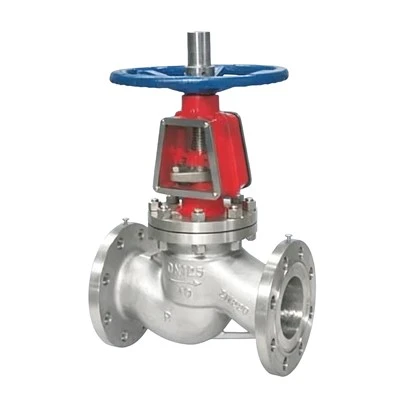
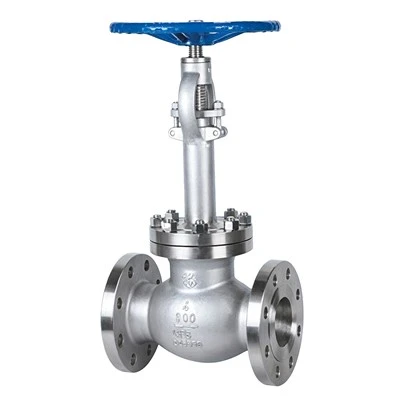
float valve is a device that automatically controls valve opening and closing according to the change of liquid level. The core principle is that the float moves as the level rises and falls, drives the valve to open and close, thus adjusting flow rate and realizing stable control of the level. It has a wide range of applications, including the following:
As a common stopper valve, the core function of gate plate is to control the fluid completely by lifting and lowering the gate. It mainly applies to situations where the medium flow needs to be completely isolated and does not require flow regulation.
I. Core application areas
fluid transportation in large-caliber pipelines
Gate valves are the primary conduit in drainage systems and the first choice for large oil and gas pipelines because of their low flow resistance (the channel is straight when fully opened) and ease of opening and closing. gate valves, for example, are typically used as the main conduit for water plants larger than DN50 in diameter, accounting for more than 90% of all valves, and can significantly reduce the energy consumption of system operations.
High demand for transport without adjustment
The cooling water circulation system of thermal power plant requires a lot of water for heat transfer. When gate valve is fully open, the almost unimpeded characteristics can meet these requirements. Its sealing surface by medium erosion is small, long service life, suitable for long-term stable operation.
Bidirectional flow medium pipeline
The bidirectional sealing design of the gate valve (both sides of the gate can be used as inlets) is suitable for situations where there may be media reflux during the process, such as ship ballast water systems and chemical medium circulation pipelines, without the need to install additional check valves.
Low to medium pressure, room temperature or medium temperature working conditions
In long-distance pipeline stations and refineries for crude oil, refined oil and natural gas, cut-off controls are performed using gate valves at normal or moderate temperatures.
In the chemical industry, cast iron, cast steel or stainless steel steel gate valves should be selected according to the characteristics of the chemical medium (e.g. acid, alkalis, ammonia, urea, etc.) when transporting chemical media with less stringent corrosiveness requirements.
Ship systems: Due to space limitations, systems such as ballast water, bilge water and fire water often use concealed stem gate valves (the valve stem is hidden inside the valve body) to save installation height.

II. Typical Application Scenarios Analysis
Pump outlet valve;
When starting the pump, resistance must be reduced. When the gate valve is fully opened, the flow resistance is minimal, which can reduce the load of the motor and prevent equipment damage due to excessive starting torque.
Thermal Power Plant Circulating Water System
Recycling water pipeline need to be turned on and off frequently to regulate water volume. The labor-saving characteristics of the gate valve (compared to the globe valve) can reduce operation intensity. At the same time, when the system is completely open, the flow resistance is close to zero, which ensures the efficiency of the system.
Economic options for large-caliber pipelines
gate valves valves are simpler, less costly and fully open and reliable sealing than large-diameter stoppers or ball valves. They apply to cut-off requirements for pipelines with a diameter of DN300 and above. For example, in a petrochemical project, the DN800 crude oil pipeline used an elastic seat sealing gate valves. Through the whole rubber coating technology of gate plate, zero leakage has been achieved, and the service life is 30% longer than the traditional gate valves.
III. Notes on Selection and Use
Prohibit flow regulation;
When the valve is partially opened, the fluid running at high speed easily corrodes the sealing surface gate, causing the gate plate to leak or vibrate. If you need to adjust the flow rate, select special equipment such as check valve and control valves.
Moderate adaptability
For media containing solid particles: Elastic gate valves or soft-seal gate valves (e.g., whole-rubbercoated gate valves) should be selected to prevent particles from sticking to the sealing surface.
High temperature, high pressure working conditions: wedge single gate valve through rigid structure to withstand high pressure, but regular inspection of the wear and tear of the sealing cover. Elastic gate valves is suitable for frequent pressure fluctuations.